
Brave Browser blocks ads and trackers by default, includes a built-in VPN, Leo AI assistant, and even lets you earn crypto.
by:- Brave Software Inc.
for:- Windows, macOS, Linux, Android, iOS
Key Features of Brave Browser
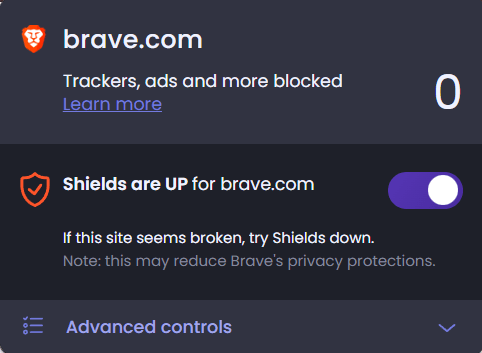
- 🛡️ Brave Shields — Built-in ad blocker, tracker blocker, fingerprint protection, and phishing defense, all active by default with zero setup
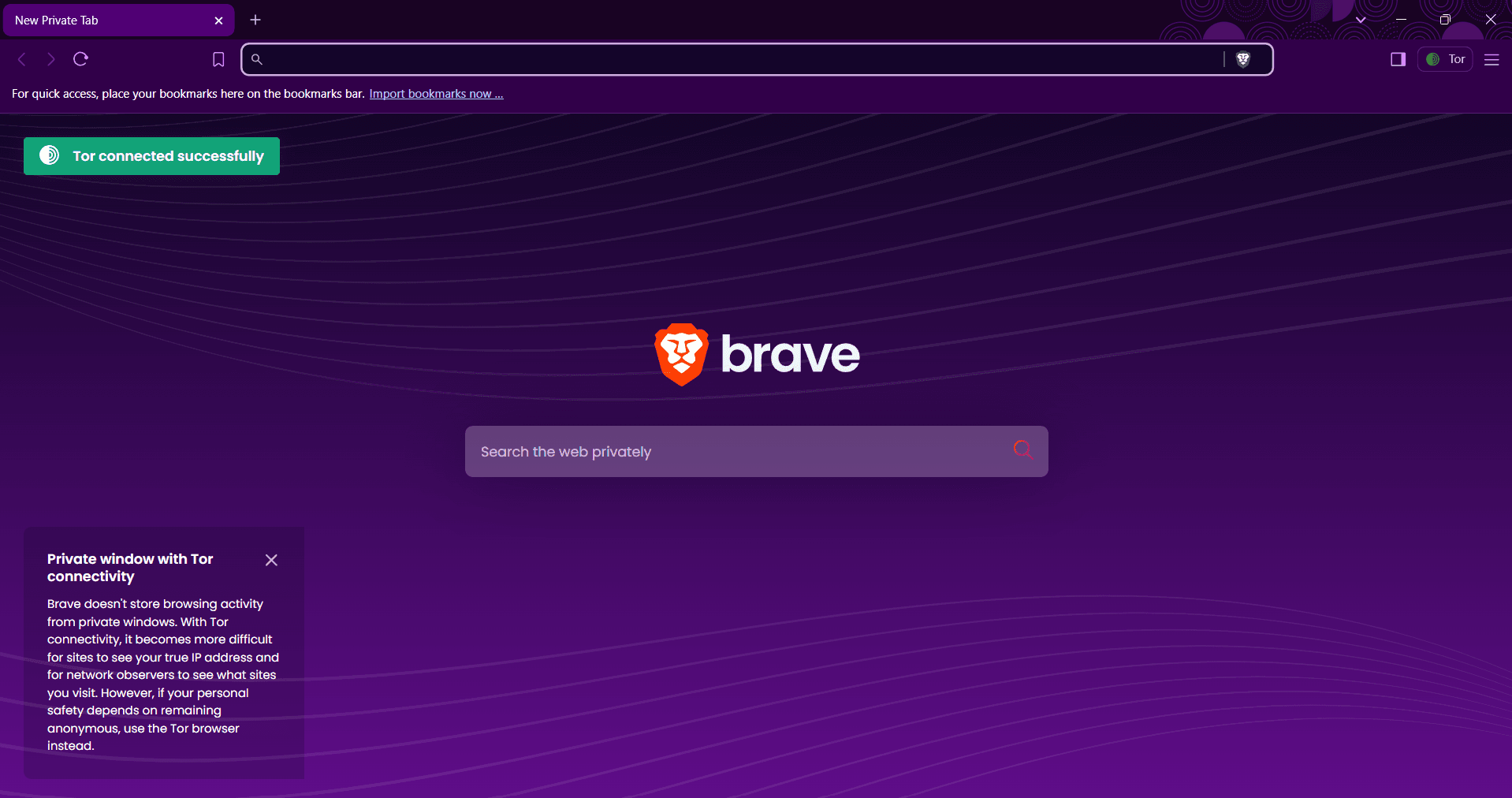
- 🕵️ Private Window with Tor — Route your browsing through the Tor anonymity network without installing a separate app
- 🤖 Brave Leo AI — A privacy-preserving AI assistant built right into the browser; summarizes pages, answers questions, and generates content — no account needed
- 🔍 Brave Search — An independent, Google-free search engine powered by its own index, not Big Tech’s
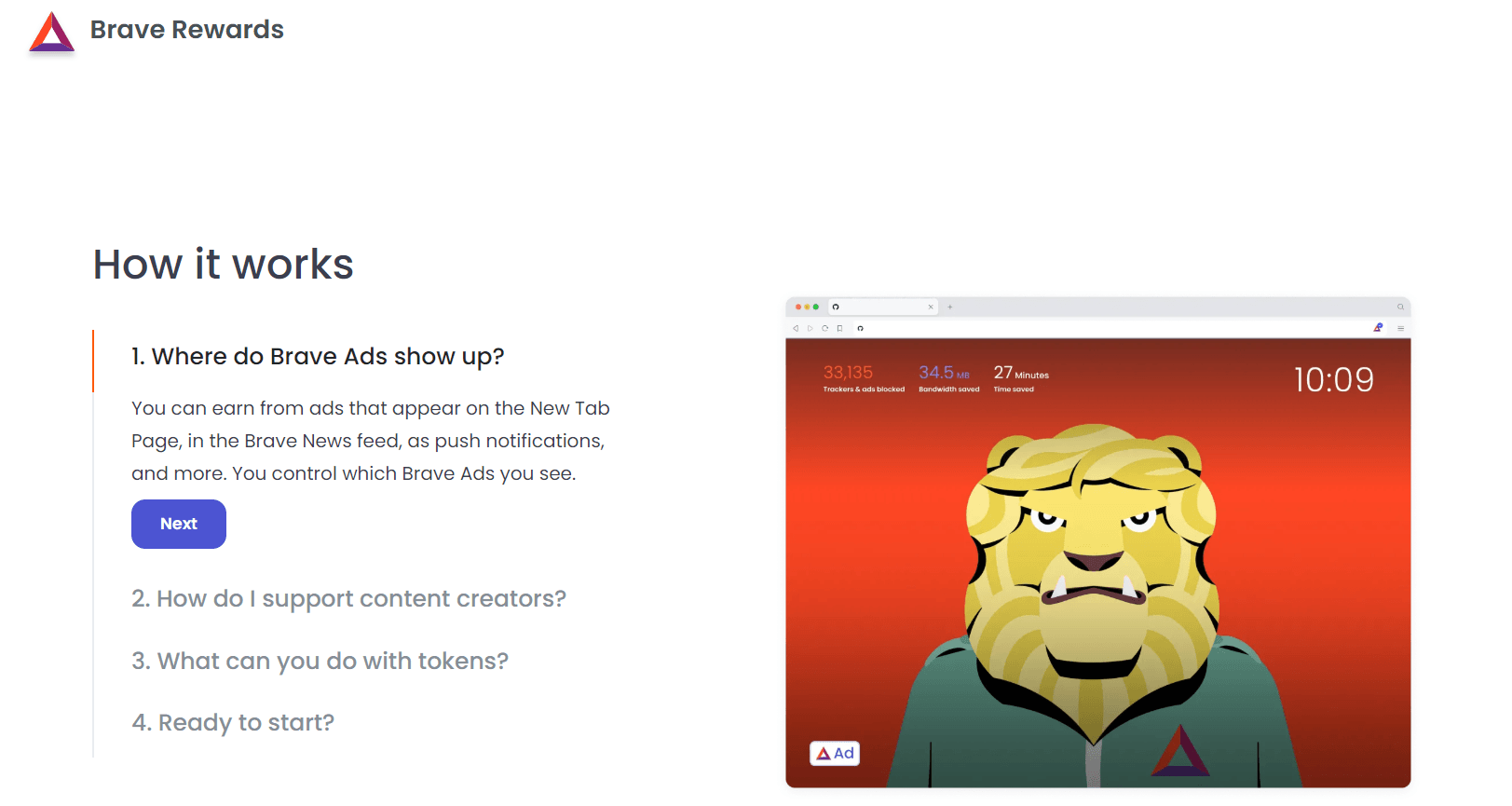
- 💰 Brave Rewards — Opt in to see privacy-respecting ads and earn Basic Attention Token (BAT) cryptocurrency
- 🌐 Chrome Extension Compatible — Being Chromium-based, Brave supports nearly all extensions from the Chrome Web Store
- ⚡ 3–6x Faster Page Loads — Without ads and trackers loading, pages are significantly faster and lighter on your device
Quick Info
Developer: Brave Software Inc.
Type: Web Browser
Supported Platforms: Desktop, Mobile
Supported Operating Systems: Windows, macOS, Linux, Android, iOS
Liscense: Free & Open Source
Brave Browser Review
The Browser That Decided Enough Was Enough
If you’ve ever felt like the internet is constantly watching you — tracking what you click, building profiles about your habits, and hurling ads at you from every direction — you’re not wrong. And Brave Browser was built specifically for that feeling. It’s a free, open-source privacy browser that blocks the noise before it even reaches your screen, making it one of the most compelling alternatives to Chrome and Firefox for everyday users who value their digital privacy.
Overview: What Is Brave, and Who Is It For?
Brave is a web browser developed by San Francisco-based Brave Software, Inc., co-founded in 2015 by Brendan Eich (the creator of JavaScript and co-founder of Mozilla/Firefox) and Brian Bondy (formerly of Khan Academy and Mozilla). The browser was first released in a developer beta in 2016 and officially launched its stable 1.0 version in 2019. As of October 2025, Brave has crossed 100 million monthly active users and 42 million daily active users worldwide.
The browser solves a very real problem: the modern web is cluttered, slow, and surveillance-heavy. Brave blocks ads, trackers, cross-site cookies, and fingerprinting scripts automatically — no third-party extensions required. It’s completely free to download and use. Optional paid features include the Brave VPN and Leo AI Premium tier. Brave works across Windows, macOS, Linux, Android, and iOS, making it one of the most cross-platform privacy browsers available today.
Technology Foundation: Built on Solid Ground
Brave is built on the Chromium open-source browser engine for desktop and Android, and on Apple’s WebKit for iOS. The transition to Chromium happened in 2018, and Brave has stated it actively removes privacy-harmful Google services and proxies connections away from Google wherever possible. That switch also brought a 22% performance improvement over earlier versions, according to the company.
Being open-source (MPL-2.0 licensed), Brave’s source code is publicly available and auditable on GitHub. The project is actively maintained with frequent updates — the v1.88 release cycle alone spanned multiple incremental builds in early 2026, including security patches and Chromium engine upgrades. Updates are released consistently across all platforms, and Brave has a dedicated Nightly channel for users who want to test bleeding-edge features.
Privacy, Security & Performance: Where Brave Truly Shines
Brave’s flagship feature — Brave Shields — is a suite of built-in privacy tools that goes far beyond simply blocking banner ads. It handles fingerprint randomization (so sites can’t identify you by your browser’s unique “signature”), HTTPS upgrades (automatically switching insecure HTTP connections to secure HTTPS), bounce tracking prevention, phishing and malware blocking, and the removal of invasive social media tracking embeds. In independent tests by the Electronic Frontier Foundation’s Cover Your Tracks project, Brave was one of the few browsers to receive a “strong protection” rating and earned praise for its randomized fingerprinting protections.
On the performance side, Brave’s ad-blocking approach translates directly into speed gains. With no ads or trackers fetching data in the background, Brave claims pages load 3–6x faster than Chrome. On mobile, independent benchmarks have found Brave delivers 40% better battery life than Chrome, Firefox, or Edge, because there’s simply less junk to process. A 2021 academic study comparing browser data collection practices also found that Brave transmitted the least amount of identifying data to its parent company of any browser tested.
Notable Innovations & Built-In Tools
Brave is remarkably feature-rich for a browser that’s free. In 2023, Brave launched Leo, a privacy-preserving AI assistant integrated directly into the browser. Leo can summarize webpages, PDFs, and Google Docs; answer questions; generate code; and translate text — all without requiring an account or login. Crucially, Brave routes Leo’s requests through a privacy proxy that hides your IP address, and the company claims no conversation logs are retained. Leo supports models from Anthropic (Claude) and Meta (Llama), and a free tier is available alongside a premium tier with higher rate limits.wikipedia+1
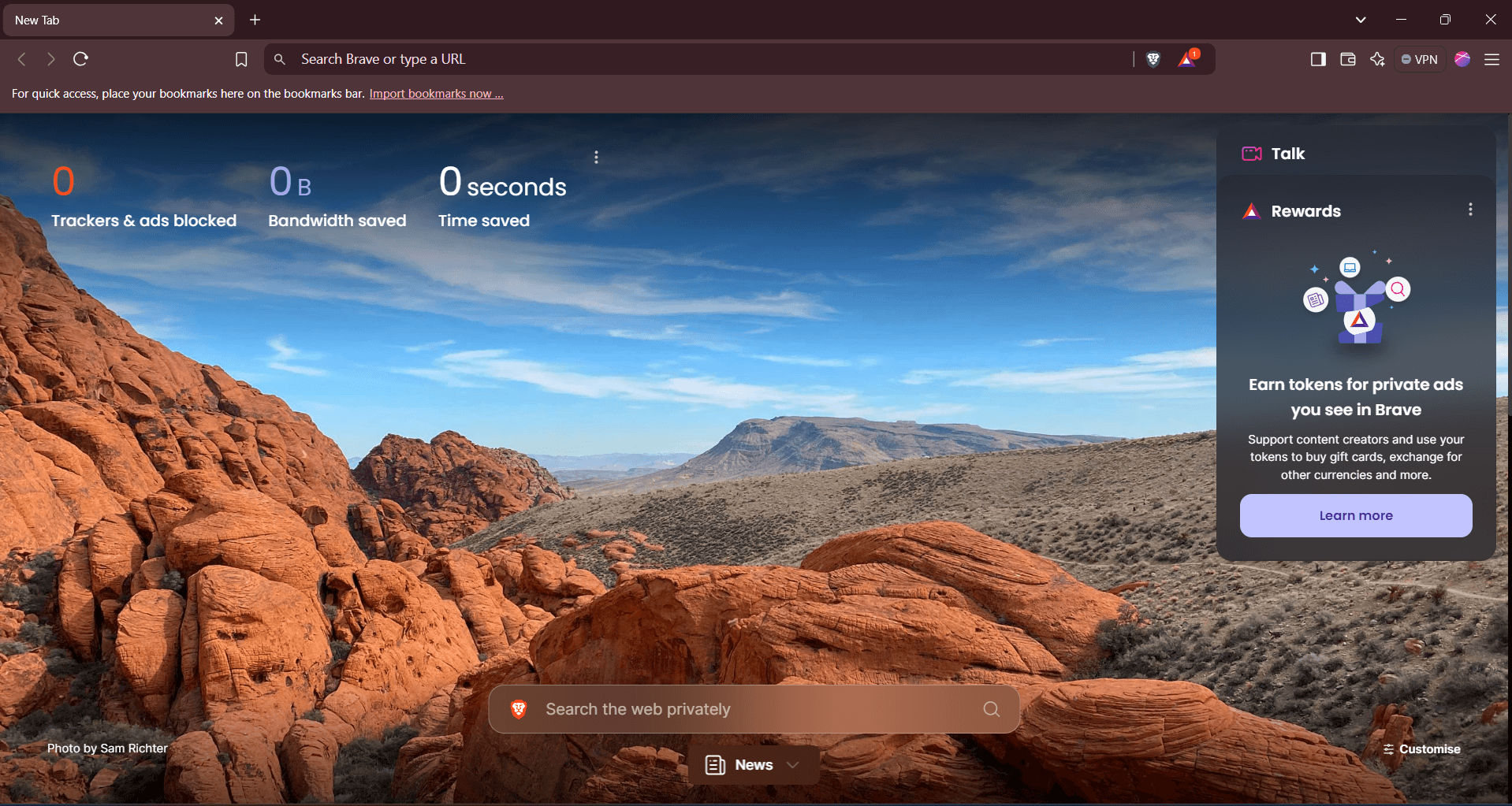
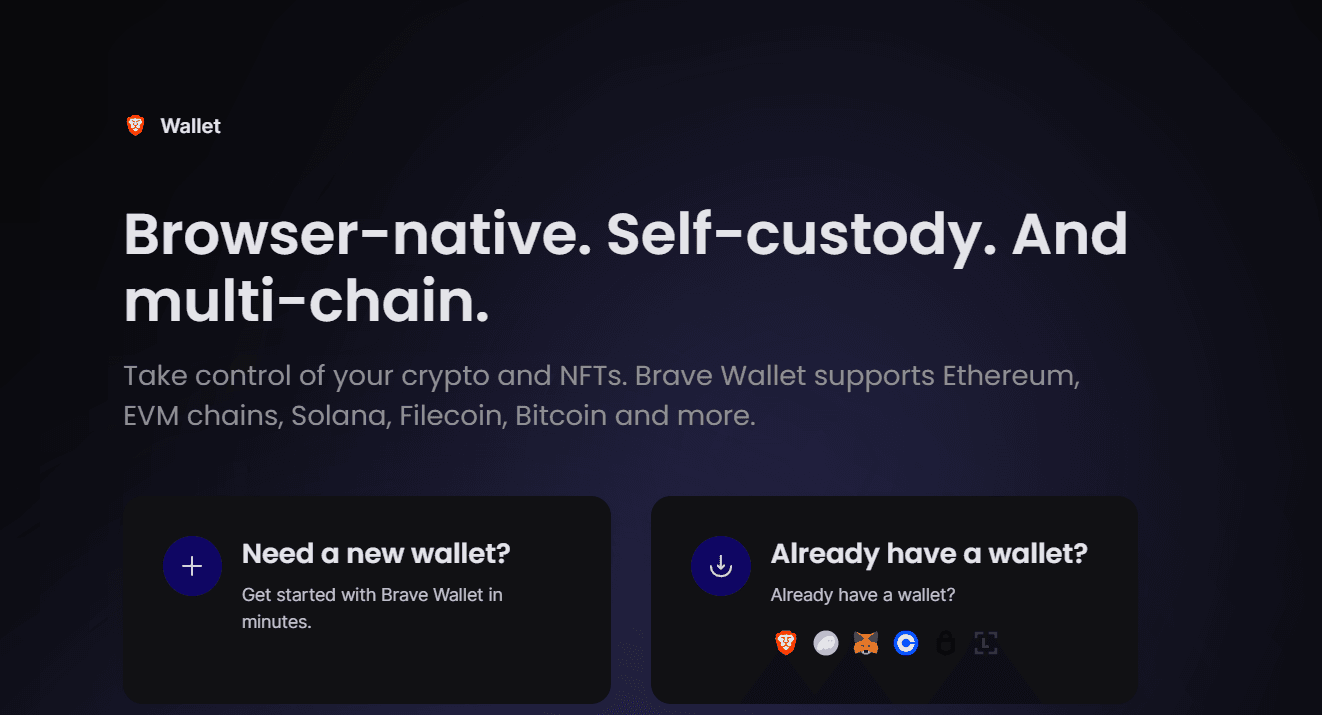
Brave also runs its own independent search engine — Brave Search — which uses a completely self-built index (not a Google or Bing rehash), making it one of only three global-scale search engines outside Big Tech. The search engine includes an “Answer with AI” feature that processes around 15 million AI-powered queries per day. Beyond search and AI, Brave packs in: Brave Rewards (an opt-in system to earn BAT cryptocurrency by viewing private ads), a built-in crypto wallet, a built-in VPN (paid), Brave Talk (free encrypted video calls with no account needed), and Brave News (a private, personalized news feed on the new tab page). The browser also features a Speedreader mode for distraction-free reading and full vertical tab management.
In December 2025, Brave began testing an agentic AI mode through its Nightly channel — a feature that would let Leo autonomously browse the web to perform tasks like product comparisons, promo code discovery, and news summarization on your behalf. This is still in testing, but it signals a major direction for the browser going forward.
Brave vs. the Competition: Firefox and Chrome
Brave sits in an interesting spot between the privacy-purist crowd and mainstream usability. Compared to Google Chrome — the dominant browser with about 67% market share and 3.69 billion users — Brave is significantly more private out of the box. Chrome has no built-in ad blocker and limited tracker protection by default, while Brave blocks everything automatically. Chrome is generally fast, but Brave’s ad-blocking makes it feel faster in real-world usage despite similar Chromium underpinnings. The key trade-off is ecosystem: Chrome’s integration with Google services (like Docs, Drive, and Gmail) is near-seamless, something Brave intentionally avoids.
Compared to Mozilla Firefox — the most popular open-source privacy browser — Brave and Firefox are closer siblings. Both are open-source and privacy-focused. Firefox offers more granular privacy settings and has a long-standing reputation in the privacy community. However, Brave requires no configuration to achieve strong privacy, while Firefox often needs extensions (like uBlock Origin) and manual settings tweaks to match Brave’s default protection level. Firefox tends to be slower than Brave in benchmarks, and it doesn’t offer a built-in Tor mode or native BAT rewards system.
Pros
Blocks ads and trackers by default—no setup required.
Consistently fast browsing and lightweight resource use.
Privacy-first by design, with robust anti-tracking and anti-fingerprinting features
Supports all major platforms and mobile devices.
Open-source, crowdsourced development with regular updates.
Cons
A small percentage of sites may not display correctly due to strict ad-blocking.
Advanced features like the crypto wallet can confuse some users unfamiliar with digital assets.
Slightly fewer native extensions compared to Chrome’s store, though compatibility is broad.
Some advanced privacy tools may feel overwhelming to newcomers.
Official System Requirements
CPU: Intel Core 2 Duo E8400 or equivalent (minimum)
RAM: 2 GB (minimum); 8 GB (recommended for smooth multitasking)
GPU: Integrated graphics (minimum); GTX 1060 or better (recommended)
Storage: 10 GB free disk space